Why Smart Meter Installation Matters for EPC and Energy Management
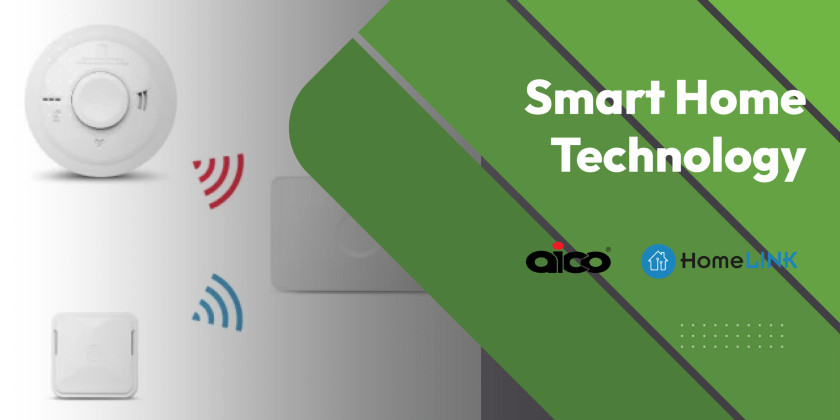
If you’re asking “How do I get a smart meter?”, you’re not alone. In the UK, smart meters help households and businesses understand energy usage in near real time, making it easier to manage bills and reduce waste. For landlords, housing associations, and corporate property portfolios, better energy visibility supports compliance planning and strengthens retrofit decisions. While smart meters are separate from property certificates like EPCs and EICRs, the data they provide can make energy-efficiency upgrades more effective and measurable.
Smart meter benefits often extend beyond cost. With clearer usage patterns, you can identify drafts, inefficient heating schedules, and electricity-demand peaks that may affect how quickly improvements deliver savings. This is particularly relevant when planning upgrades such as boiler servicing or installation, insulation, or renewable energy projects. In short, smart meters can help you move from “guessing” energy performance to making informed decisions backed by actual consumption.
Steps to Get a Smart Meter in the UK
The most common route is to request a smart meter through your energy supplier. Many providers allow you to request an installation online, by phone, or through an account dashboard if you have an online account. When you book an appointment, the supplier will check whether your property is eligible and whether there are practical access requirements. You’ll also be advised what to expect on the day, including the approximate time window.
Before the installer arrives, it’s helpful to ensure access to both the electricity meter position and, where applicable, the gas meter location. In some homes and commercial properties, access may require permission from a landlord, site manager, or building maintenance team. If you’re managing a multi-occupancy building, coordinating access for several units can make installations smoother. If you’re a landlord or property manager, it’s also worth confirming whether tenants need to be present or whether you can arrange entry on their behalf.
After installation, you’ll usually receive guidance on how to use the in-home display (if provided) and how to read your usage data. In many cases, your supplier can also send updates or help you connect your smart meter information to their portal. The key is to review your readings after a few days so you can validate that the system is working correctly. Once you’re seeing reliable data, you can start using it to improve heating and electricity habits—or to shape future retrofit plans.
Can You Still Get a Smart Meter if You Rent or Manage Properties?
Yes—many renters and landlords can get smart meters, but the process depends on the arrangement with the energy supplier and who has responsibility for the meter. If you’re a tenant, your energy contract is typically with your supplier, so the smart meter request is usually made by you (or coordinated by the supplier as part of a meter rollout). If you manage the property, you may need to facilitate access and ensure the correct contact details are in place with the energy provider.
For landlords and housing associations, smart meter installations can be part of a wider energy-efficiency and sustainability strategy. They can help you understand consumption across different occupancy types and identify properties that may benefit from targeted improvements. Pairing energy usage insights with EPC recommendations can strengthen your retrofit planning and improve how you prioritise works. If you’re working toward Net Zero goals, the combination of accurate consumption data and certified compliance gives you clearer oversight.
- For landlords: confirm responsibility for meter access and coordinate appointments with tenants.
- For housing associations: plan access across estates or blocks and track progress by property.
- For local authorities and corporate portfolios: standardise requests and ensure consistent documentation across sites.
- For multi-let buildings: manage access and ensure each unit’s meter setup is properly commissioned.
Link Smart Meter Data with Property Certificates and Energy Upgrades
Smart meters show what’s happening inside the building, while property certificates show what the building is capable of achieving. For example, an EPC helps estimate energy performance and highlights improvement opportunities, while EICR inspections help ensure electrical safety and can affect the feasibility of certain upgrades. If you’re investing in energy-efficiency improvements—such as insulation, boiler upgrades, solar panels, or other retrofit measures—smart meter data can help you evaluate impact after works are completed. That feedback loop is especially valuable when you’re trying to deliver measurable outcomes for tenants, stakeholders, or internal sustainability targets.
At Eco Approach, we support property owners and managers with the compliance and upgrade services that often sit alongside energy data initiatives. We provide EPC certificates, EICR inspections, boiler installation and repairs, and electrical works—plus renewable energy and decarbonisation projects. We also provide grant support for ECO4 and insulation measures, helping clients navigate eligibility and improve thermal performance. If you’re considering a wider programme to move homes and commercial properties toward Net Zero, smart metering can be a practical step that complements certified improvements.
If you need help getting the compliance side in place while you arrange energy monitoring, we can support your EPC and EICR requirements alongside planned energy-efficiency works. Start by confirming what you need for your property portfolio, then align your next upgrade steps with real usage data once your smart meter is installed.
Ready to plan your next step? Contact Eco Approach to discuss EPCs, EICRs, and energy-efficiency upgrades for residential and commercial properties across the UK.